top of page

Al-Jawf region
Olive oasis and Saudi food basket
In the north of Saudi Arabia, the Al-Jawf region stretches out as a green oasis in the middle of the desert, known for the fertility of its land, the generosity of its people, and the richness of its agricultural history.
It is an area where greenery meets science, and heritage meets renewable energy, and today it represents a Saudi model in agricultural sustainability and the modern economy.
Its main cities are: Sakaka – Al Qurayyat – Dumat Al Jandal – Tabarjal – Suwayr.
Al-Jawf agricultural identity
Al-Jawf is considered the Kingdom’s food basket, as it produces 16.55% of the total vegetable production in Saudi Arabia and includes more than 12,500 farms and 3,500 agricultural projects.
It also houses the largest modern olive farm in the Kingdom, covering thousands of hectares and considered one of the symbols of economic identity in the north.
Renewable energy and future projects
Al-Jawf represents a key focus in Saudi Arabia’s renewable energy strategy, as the Sakaka Solar Power Plant, the first photovoltaic power plant in the Kingdom, was established there. It spans an area of 6 km² and produces 300 megawatts of clean energy.
These projects reflect the shift towards a diversified and sustainable economy within Saudi Vision 2030.


The story of Al-Jawf
Traditional dishes in Al-Jawf
Jareesh: A dish made of crushed wheat and milk, cooked until it becomes thick.
Marqouq: A dish made of dough, broth, vegetables, and meat.
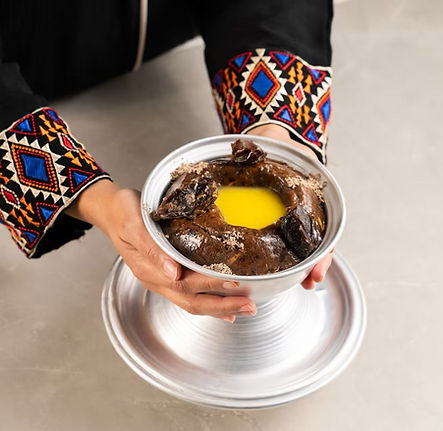
Porridge: It is served on special occasions with ghee and honey or dates.
Historical and natural identity
Al-Jawf is home to the famous Dumat al-Jandal Lake, a natural water oasis surrounded by palm and olive trees, and is considered one of the oldest inhabited areas in the Arabian Peninsula.
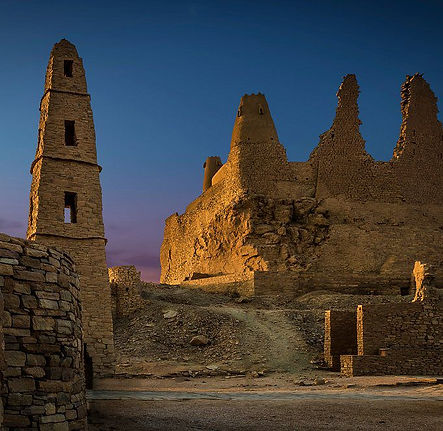
It also includes the historic Mard Castle in Dumat al-Jandal, which dates back to pre-Islamic times and was a trading center and defensive fortress for centuries.
Heritage and customs
The people of Al-Jawf are known for their generosity and simplicity; they are the children of the land, water, and olives.
Their day begins with sunrise on the farms and ends with evening gatherings around Arabic coffee.
In the markets, olive, honey and date products are displayed at annual festivals such as the Al-Jawf International Olive Festival, which is held every winter in the city of Sakaka and is considered one of the most prominent agricultural events in the Kingdom.
popular proverb
"As you sow, so shall you reap."
His story:
It is said that a farmer from Al-Jawf patiently planted olive trees for many years, and people mocked him because the tree did not bear fruit quickly.
But when it bore fruit generously and abundantly, he uttered his famous phrase:
"As you sow, so shall you reap."
This saying has become a proverb used to describe patience, perseverance, and the results that come with time and hard work.
Al-Jawf Lens




bottom of page