Traditional dishes in Hail
Haili Kabsa: It is made of rice and meat with special Haili spices that have a strong flavor.
Al-Maqshoush: A dish made of flour, honey, and ghee, served on special occasions.
Marqouq: A traditional dish of dough, vegetables and meat, cooked slowly to absorb the flavors.
Equestrian sports and rallying
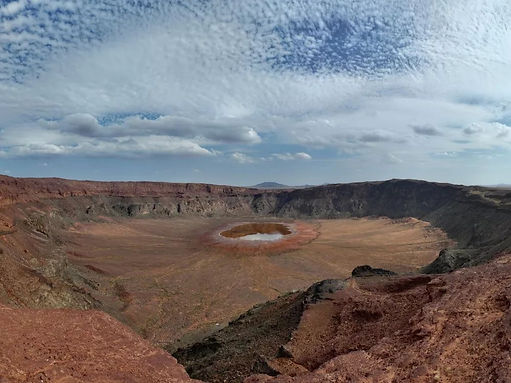
The people of Hail are known for their love of horsemanship and desert racing, as the region combines rugged nature with golden desert ideal for adventures.
The Hail International Rally, which brings together competitors from all over the world, is held there annually and is considered one of the most famous desert races in the Middle East.
Equestrian festivals are also held, showcasing the authenticity of Arabian horses, Najdi dress, and heritage customs.
Cultural and heritage identity
The Hail region includes a distinctive cultural heritage represented by the rock carvings in the Aja and Salma mountains, which were registered on the UNESCO World Heritage List in 2015 as one of the oldest rock art sites in the world.
The region is also famous for its open councils and Bedouin hospitality, which is still practiced with love and sincerity to this day.
City of generosity and chivalry
Hail is known as the city of generosity and chivalry, as generations there inherit the morals of Hatim al-Tai, who made generosity an eternal symbol in Arab history.
The famous proverb is used in it:
“Hate is her lover, and chivalry is her habit.”
The story behind the proverb:
This proverb is attributed to Hatim al-Tai, one of the most famous symbols of generosity in the pre-Islamic era, who was from the Tayy tribe that lived in the mountains of Aja and Salma in the Hail region.
The story goes that one night a guest came to him and he had nothing to offer him, so he slaughtered his only horse to honor him.
When people learned of this, he became a paragon of generosity, to the point that it was said:
“Hatem Hail” means all generosity is attributed to its land and people.